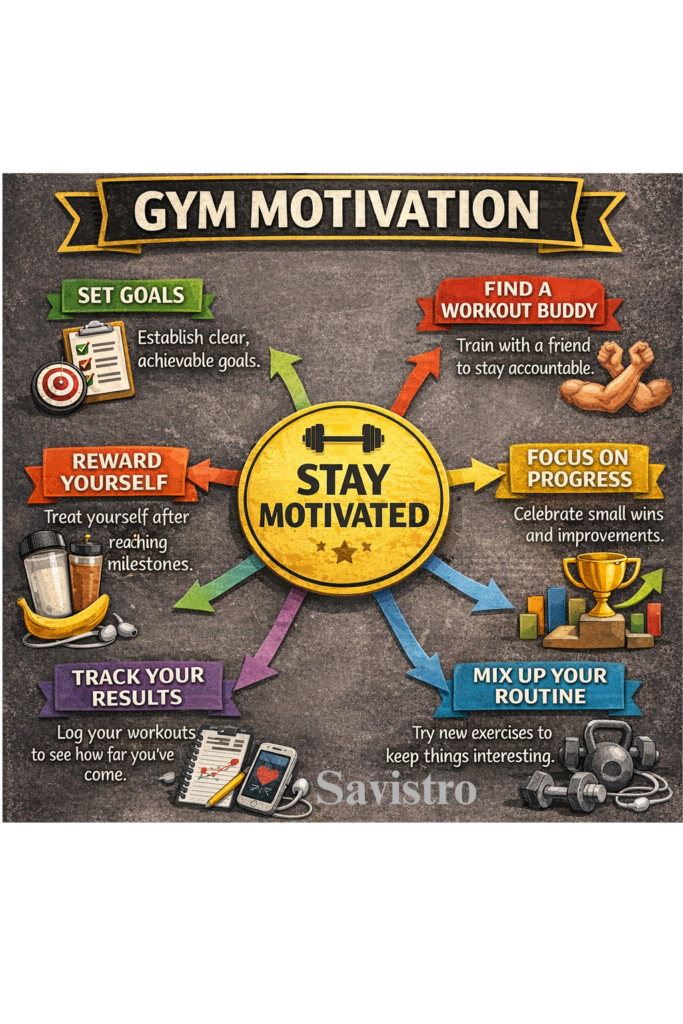
motivation is the foundation that turns intention into action, consistency into results, and fitness interest into long-term lifestyle commitment.
Introduction: Why Motivation Fuels the Fitness Economy
In today’s digital-first fitness market, motivation is more than a personal mindset—it is a commercial driver. From smart wearables and online training platforms to supplements and apparel, the global fitness economy thrives when people feel inspired to move. Strong gym motivation directly influences purchasing behavior, brand loyalty, and customer lifetime value.
For beginners, motivation helps overcome hesitation. For experienced athletes, it sustains progress and prevents burnout. For e-commerce brands, understanding how motivation works is essential to creating products, content, and experiences that truly convert.
Understanding Gym Motivation in a Digital Commerce World
What Gym Motivation Really Means
At its core, motivation is the psychological force that initiates and sustains behavior. In fitness, it includes goal-setting, emotional triggers, and environmental cues. In an e-commerce context, it also includes:
- Visual inspiration (product imagery, transformations)
- Social proof (reviews, community stories)
- Convenience (easy ordering, subscriptions)
- Personalization (AI-driven recommendations)
When aligned properly, these elements transform casual interest into consistent gym engagement.
Intrinsic vs. Extrinsic Motivation
Intrinsic motivation comes from personal satisfaction—feeling stronger, healthier, or more confident.
Extrinsic motivation is driven by external rewards—discounts, progress badges, influencer endorsements, or limited-time offers.
Successful fitness e-commerce brands blend both. For example, a training app might celebrate personal milestones while offering loyalty rewards on equipment purchases.
The Role of Gym Motivation in Consumer Buying Decisions
Motivation Drives Product Demand
Consumers with high gym motivation are more likely to invest in:
- Home workout equipment
- Performance apparel
- Nutrition and recovery products
- Digital coaching subscriptions
Motivated users don’t just buy once—they upgrade, repeat, and advocate.
Trust, Authority, and Consistency
Motivation is fragile. Shoppers look for brands that reinforce trust through education, transparency, and credible guidance. Linking fitness advice to authoritative sources, such as the World Health Organization’s physical activity guidelines (https://www.who.int), strengthens credibility and supports informed decision-making.
How E-commerce Brands Can Inspire Gym Motivation
1. Content That Educates and Empowers
High-ranking fitness stores invest in blogs, videos, and guides that answer real questions. Content that explains how to train safely, recover faster, or stay consistent builds emotional connection and keeps customers engaged with the gym lifestyle.
2. Community and Social Proof
Online communities, transformation stories, and user-generated content reinforce motivation. When customers see people like themselves succeed, commitment increases—and so does conversion.
3. Seamless Shopping Experience
Motivation can disappear with friction. Fast-loading pages, mobile optimization, and simple checkout flows ensure that inspired users can act immediately.
Explore our curated fitness solutions here: [Internal Link Placeholder – /collections/fitness-equipment]
Technology, Data, and Personalized Motivation
AI and Smart Recommendations
Modern fitness platforms analyze behavior to suggest products and programs aligned with individual goals. This personalization keeps gym motivation high by making progress feel achievable and tailored.
Wearables and Feedback Loops
Smart devices provide instant feedback—steps taken, calories burned, strength gained. These data-driven insights reinforce motivation and encourage complementary product purchases within e-commerce ecosystems.
Common Motivation Barriers—and How Brands Can Address Them
Lack of Time
Brands that offer compact workouts, home solutions, and quick-shipping essentials appeal to busy consumers who still want consistent gym results.
Plateau and Burnout
Educational content on recovery, variation, and mental resilience helps users push past stagnation. Offering new gear or programs at the right moment can reignite motivation.
Information Overload
Clear, structured guidance beats overwhelming options. Curated collections and expert recommendations simplify decisions and sustain gym commitment.
E-commerce Case Insight: Motivation as a Growth Engine
Fitness brands that center motivation often outperform competitors. They don’t just sell products—they sell progress. By aligning marketing, UX, and customer support around motivational triggers, they increase retention and reduce churn.
A motivated customer returns not because of discounts alone, but because the brand supports their journey.
Aligning With Google Guidelines
High-quality, original content that prioritizes user value is essential for sustainable rankings. This means:
- Clear structure with H2 and H3 headings
- Short, readable paragraphs
- Accurate, experience-backed insights
- Ethical linking to trusted sources
When done right, motivation-focused content attracts both search engines and serious buyers.
Building Authority in the Fitness Niche
Consistency in publishing, transparent product claims, and educational depth position brands as leaders. Over time, this authority compounds, driving organic traffic and repeat sales from motivated gym enthusiasts.
Conclusion: Motivation Is the Ultimate Conversion Tool
Gym motivation is not a buzzword—it is a strategic asset. For consumers, it fuels discipline, confidence, and health. For e-commerce brands, it drives engagement, loyalty, and revenue.
By understanding the psychology of motivation and embedding it into content, technology, and customer experience, fitness businesses can thrive in a competitive digital landscape. When motivation meets convenience and trust, the result is sustainable growth—for both the individual and the industry.
In the evolving fitness economy, those who inspire movement will always lead.